Bluemetrix Data Manager
Trusted AI & data pipelines.
Design, automate and govern enterprise data pipelines across your data estate.
Book a demoBatch
Scheduled loads
Streaming
Live events
CDC
Database changes
Turn AI Data Into Trusted Insights Faster, Safer
01
One Platform for the Full Data Pipeline
Bring ingestion, transformation, security, quality and governance into one managed workflow instead of stitching together separate tools.
02
Keep Data Moving as It Changes
Process batch, streaming and changing source data so downstream systems stay current without rebuilding pipelines manually.
03
Deliver Data Ready for Analytics and AI
Transform and validate raw data before it reaches warehouses, dashboards, applications and AI systems.
Build
Connect Data From Any Source
Bring databases, files and streaming data into a consistent pipeline without building separate integration logic for every source.
Explore data ingestion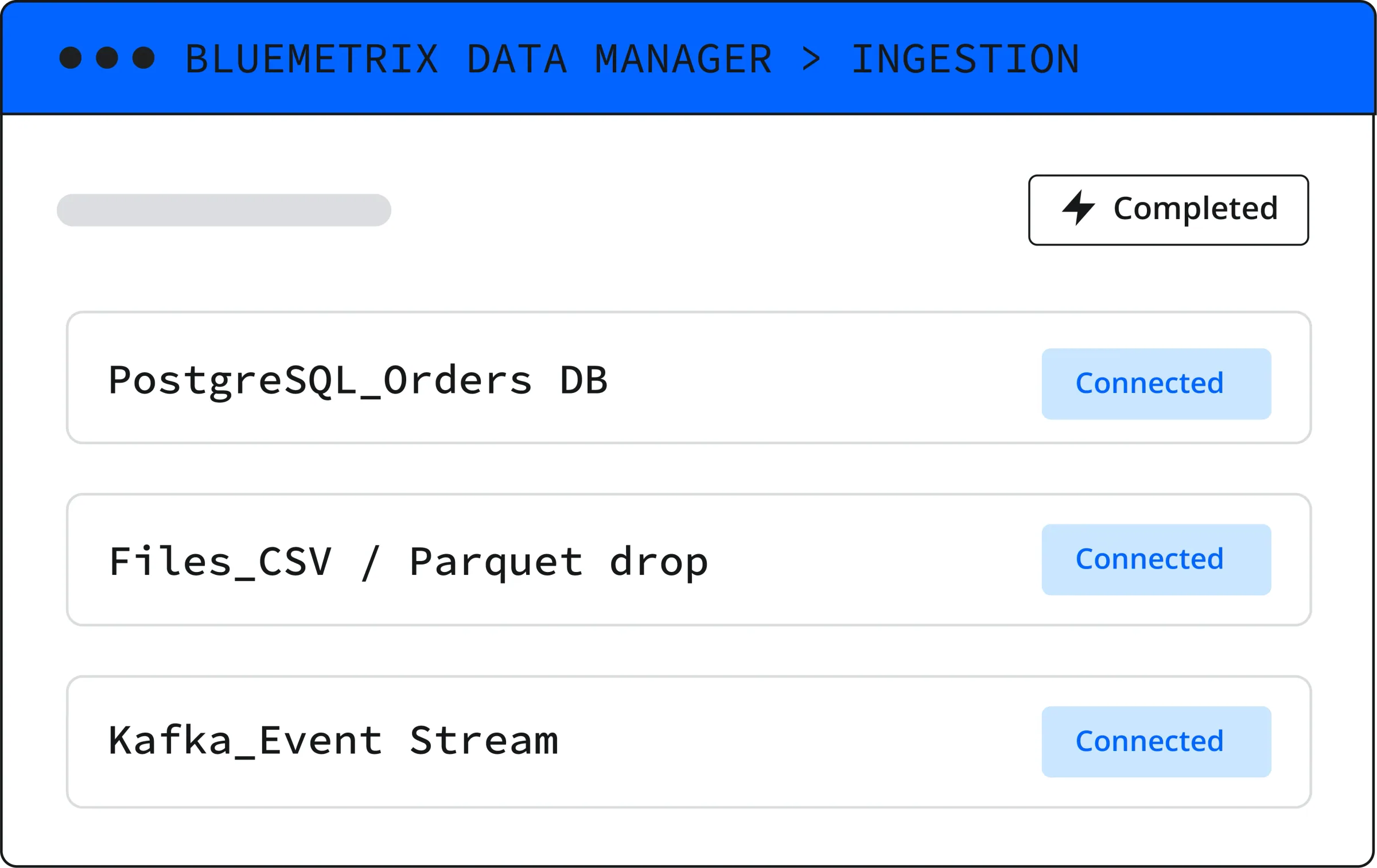
Transform
Build Transformation Into the Pipeline
Clean, standardise, join and prepare data as it moves through the platform, without separating transformation from the rest of the workflow.
Explore transformation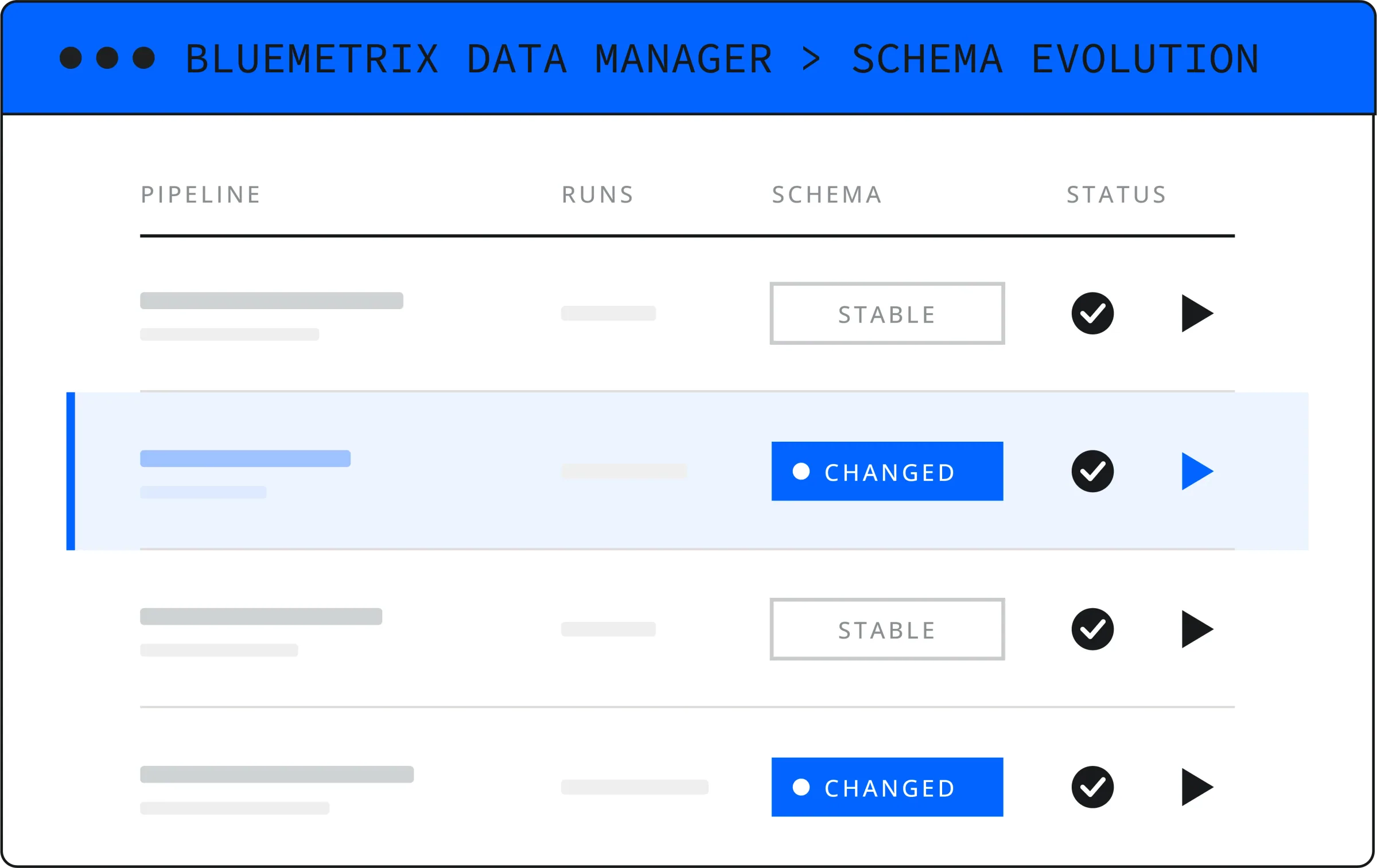
Protect
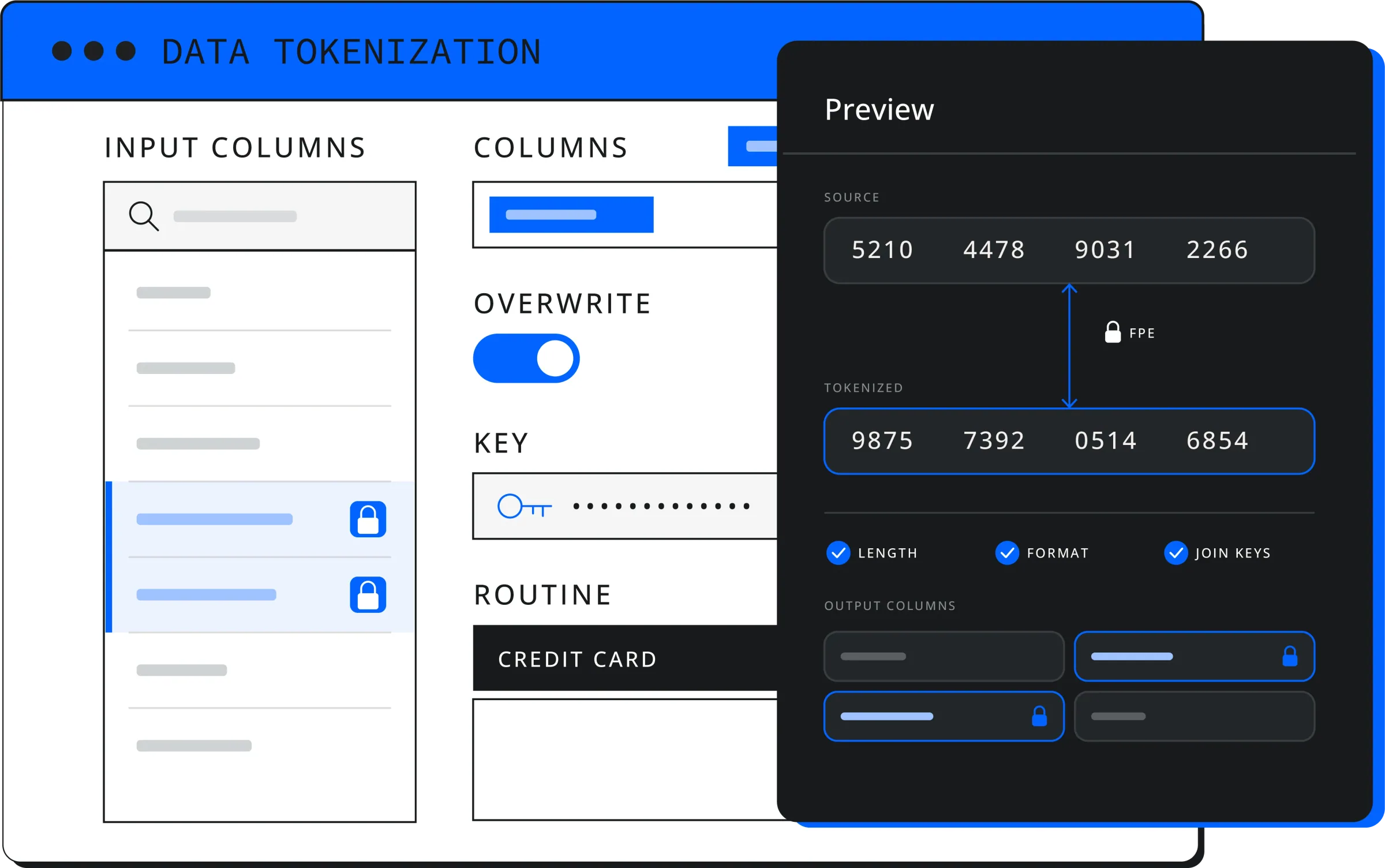
Apply Security Before Data Moves On
Protect sensitive fields inside the pipeline so downstream teams and systems receive data in the form they are authorised to use.
Trust
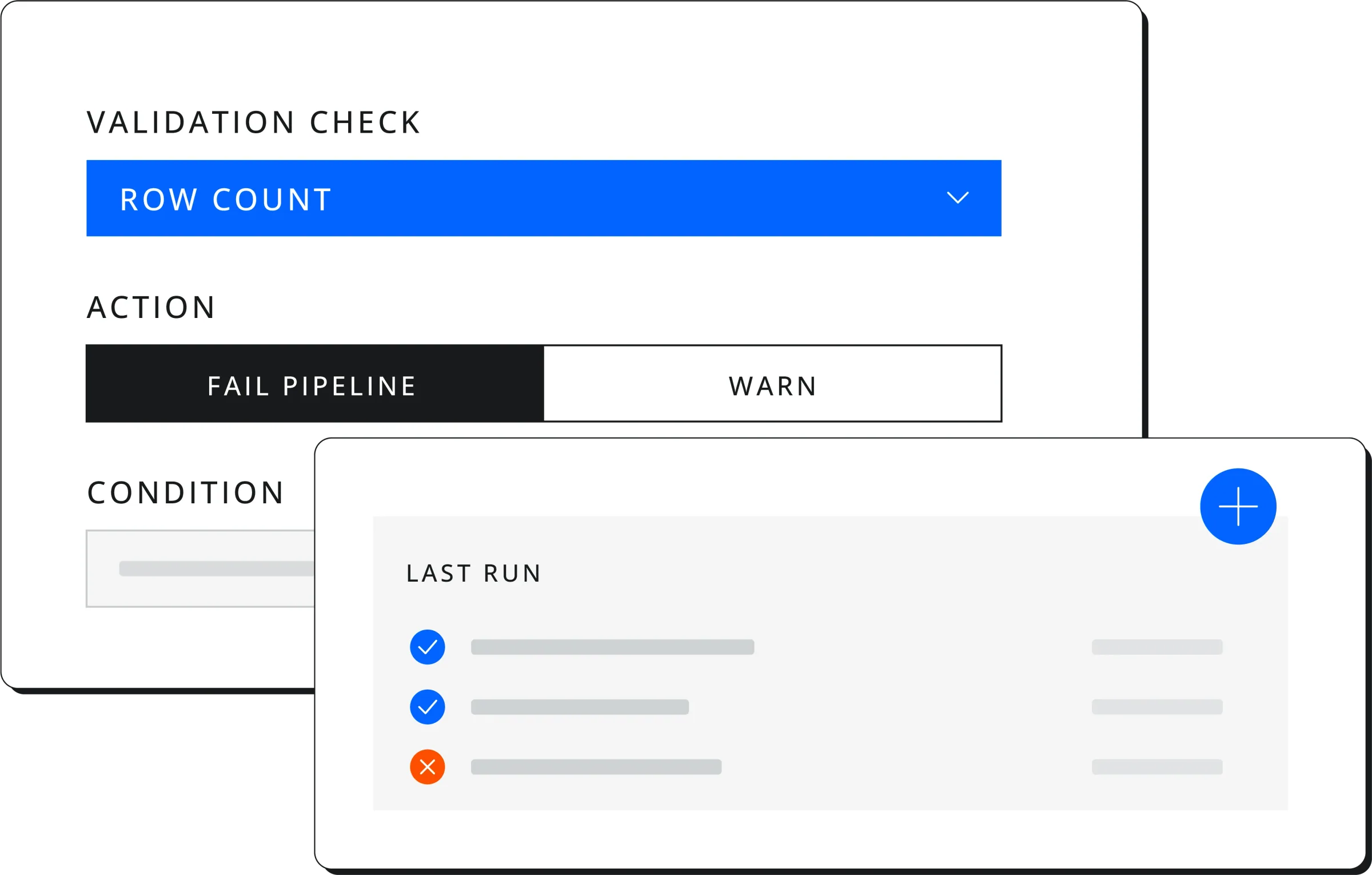
Check Data Quality as It Moves
Validate records, detect quality issues and apply rules before incomplete or incorrect data reaches downstream systems.
Govern
Keep Governance With the Pipeline
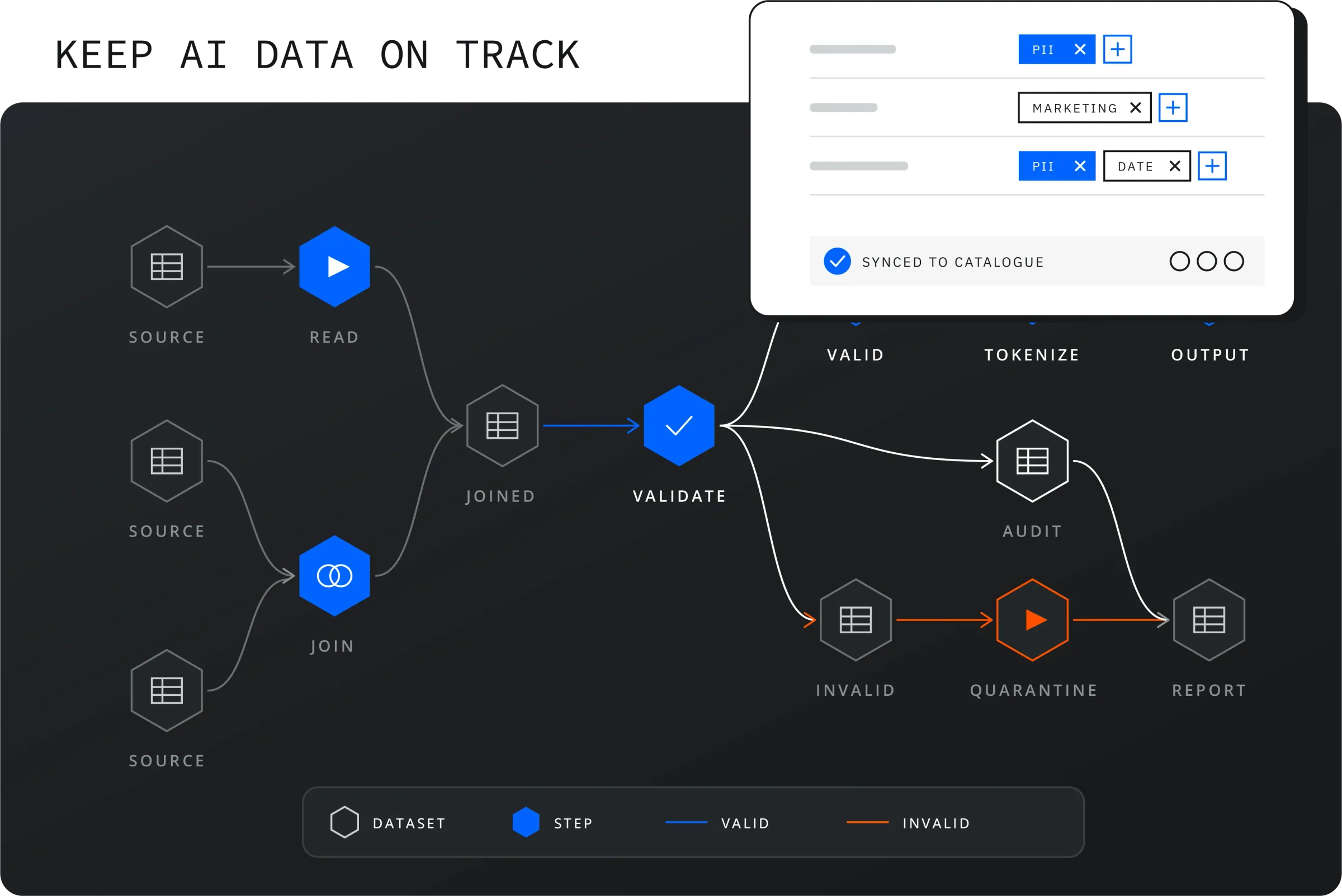
Track policies, lineage and processing decisions from source to destination so teams can understand how data was handled.
See one of your pipelines rebuilt in Bluemetrix Data Manager
Tell us a source and a destination. We’ll build it live, with end-to-end governance.
Trusted AI Pipelines
Ingest
Bring data in
Transform
Prepare it
Secure
Protect it
Quality
Validate it
Govern
Control it
Deliver
Send it downstream
Built for Data That Has to Be Trusted
Manage how enterprise data is moved, transformed, protected and governed before it reaches the teams and systems that depend on it.
PIPELINE AUTOMATION
Automated data flows
SECURITY
Protection built in
QUALITY
Data you can trust
GOVERNANCE
Governance by design
Why Bluemetrix Data Manager + SecureToken
From ingestion to insight, securely.
Bluemetrix Data Manager and SecureToken work across the full data lifecycle. Data is ingested, transformed and catalogued through BDM, while SecureToken protects sensitive values, applies policy and preserves auditability from the point of ingestion onward.
Bluemetrix Data Manager and Bluemetrix SecureToken across the data lifecycle
Bluemetrix Data Manager
Bluemetrix SecureToken
Deployment
Runs where your data already lives.
Bluemetrix Data Manager deploys on your existing data infrastructure and runs on Spark, so pipelines execute next to the data instead of copying it somewhere new.
Public cloud
AWS, Azure, Google Cloud
Hybrid
One pipeline definition across cloud and on-prem
On-prem
Alongside Cloudera and existing Spark clusters
Isolated / sovereign
Regulated and in-jurisdiction environments
FAQ
Do we need to know Spark to use it?
Pipelines are built visually in Bluemetrix Data Manager and run on Spark underneath. Analysts and engineers work in the same builder: add a source, drop in transformation, tokenization and quality steps, and choose a destination. Engineers can open any step and extend it in code when a pipeline needs custom logic. Your team gets Spark’s scale and speed, and Spark expertise becomes optional rather than a hiring requirement.
Does Bluemetrix Data Manager require my data to leave my infrastructure?
Data Manager deploys inside your existing environment and runs on your Spark clusters, so pipelines execute next to the data. It runs on AWS, Azure and Google Cloud, on-prem alongside Cloudera platform clusters, and across hybrid estates with one pipeline definition for both. Records stay in your cloud account or data centre from ingest to delivery. Tokenization happens in-pipeline with SecureToken, which is vaultless, so there is no central token store for data to travel to. For regulated and sovereign environments, every processing step stays inside the jurisdiction you choose.
How does it enforce data quality, and what happens to records that fail?
Quality rules run on ingest, as data enters the pipeline, and at any later step you add them. Each rule checks completeness, validity or schema conformance (for example, Customer.Email matches a valid format, or Order.Amount is greater than zero). Records that pass continue downstream. Records that fail are flagged and separated from the main flow with the failed rule attached, so engineers can inspect, fix and reprocess them. Dashboards, applications and AI models only ever receive data that has passed the checks.
Where does it run?
Wherever your data already lives: public cloud, on-prem, hybrid, or isolated and sovereign environments. Because the pipeline definition is portable, a pipeline built for an on-prem cluster today can move to the cloud tomorrow with the same logic, protection policies and quality rules.
How does this differ from hand-coding pipelines in Spark?
Hand-coded Spark gives engineers full control, and every pipeline becomes its own codebase. Tokenization, quality tests and lineage tracking get rebuilt by hand, pipeline by pipeline, and live in scattered repos. Bluemetrix Data Manager keeps Spark as the processing engine and moves those controls into the platform. Every pipeline inherits the same tokenization, quality and lineage from day one, and engineers spend their time on the logic that is unique to the business.
Why not just stitch together best-of-breed point tools?
Every tool in a stitched stack has its own configuration, its own policy model and its own view of the data. The risk sits in the “handoff gap”: the moment data passes from the ingestion tool to the transformation tool to the security tool, each one holding a partial picture of what came before. A field tokenized in one path can arrive in clear text through another. Lineage breaks at every vendor boundary. Bluemetrix Data Manager runs ingestion, transformation, tokenization, quality and lineage as one workflow, so a policy defined once applies at every step and the record of processing stays continuous from source to destination.
How does tokenization work inside the pipeline?
SecureToken runs as a step in the pipeline itself. AI-powered discovery identifies PII and PHI fields as data arrives, and protection policies replace them with format-preserving tokens before the data moves on. A tokenized email still looks like an email and a tokenized card number keeps its length and format, so joins, analytics and downstream applications keep working. Authorised users and systems can detokenize according to policy. Everyone else, including AI agents, works with tokens.
How does Bluemetrix Data Manager respond when a source schema changes?
“Schema drift” is one of the most common reasons pipelines break quietly: a new column, a renamed field or a changed data type upstream, and downstream reports start returning the wrong numbers. Bluemetrix Data Manager detects schema changes at ingest and flags them before they reach downstream systems. Each change is recorded against the pipeline’s lineage, so teams can see exactly when the source changed and which destinations it affects. Engineers review the change, update the field mapping, and the pipeline carries on.
Is there an audit trail of how data was processed?
Yes. Bluemetrix Data Manager records lineage automatically for every pipeline run: the source, each transformation, the protection policy applied to each field, the quality results and the destination. For audits under DORA, BCBS 239 or GDPR, teams can show exactly how a given dataset was processed from source to delivery, from a single place.